Understand the site before changing it.
Establish growing beds while minimising soil disturbance and preserving soil biology. The most useful first step is usually to observe the conditions you already have. Note what works, where problems recur and which outcomes matter most to your household or growing project.
Make changes in manageable stages, and record the results. With a small amount of observation, your next decision can be based on the realities of your soil, climate and available time rather than a one-size-fits-all recommendation.
Three things to focus on
Suppress existing weeds before adding materials
Try this as a focused step in your no-dig gardening plan, then note what changed and what still needs attention.
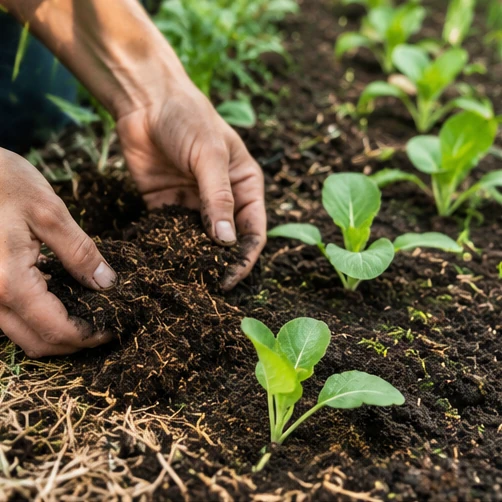
Spread well-finished organic matter on top
Try this as a focused step in your no-dig gardening plan, then note what changed and what still needs attention.
Protect the surface with a suitable mulch
Try this as a focused step in your no-dig gardening plan, then note what changed and what still needs attention.
Turn the idea into a routine.
For no-dig gardening, start with a simple record of your current methods and results. Compare changes across several weeks and seasons where practical. Healthy food systems develop through many small actions, not one quick fix.
If you are planning major purchases, a new garden layout or an expanded crop area, ask a qualified local adviser about conditions specific to your property. Farmer Dave’s source site describes personalised coaching and property planning for growers seeking tailored advice.
Work out what makes sense for your space.
Share your goals and the growing conditions you’re working with.
Discuss your garden