Understand the site before changing it.
Plan a garden where vegetables, herbs and perennial plants can be cared for efficiently. The most useful first step is usually to observe the conditions you already have. Note what works, where problems recur and which outcomes matter most to your household or growing project.
Make changes in manageable stages, and record the results. With a small amount of observation, your next decision can be based on the realities of your soil, climate and available time rather than a one-size-fits-all recommendation.
Three things to focus on
Sketch zones around sun, water and daily access
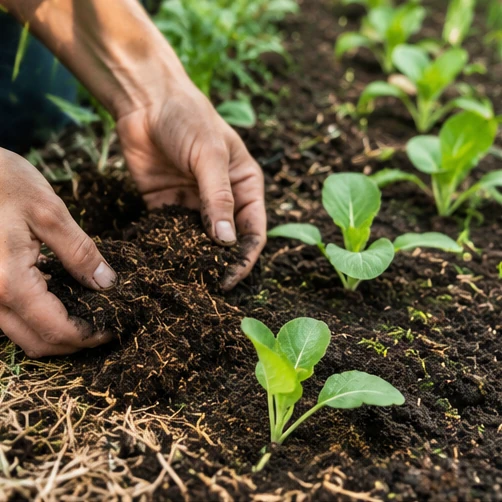
Watch how water moves through the site, and tailor your watering rhythm to crop and soil rather than a fixed timer alone.
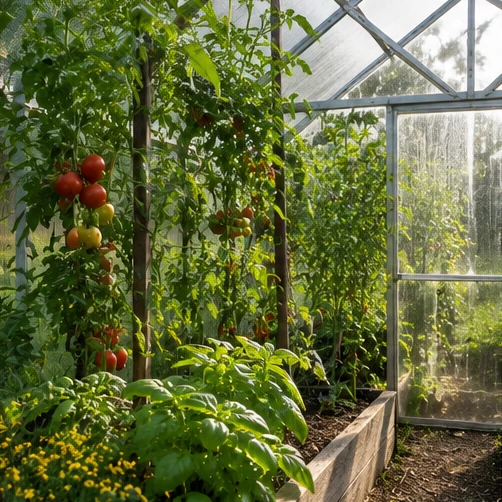
Choose paths, beds and trellises for easy harvest
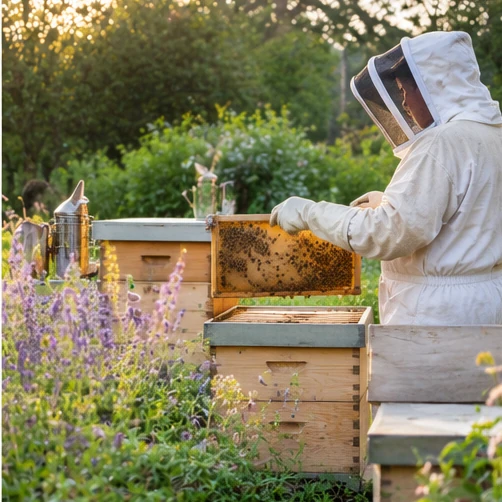
Plan regular visits to productive beds, handle produce gently and use crop-specific safe storage practices.
Create a manageable staged establishment plan
Sketch a simple layout before buying materials. Leave enough room for access, harvesting and future changes.
Turn the idea into a routine.
For edible garden design, start with a simple record of your current methods and results. Compare changes across several weeks and seasons where practical. Healthy food systems develop through many small actions, not one quick fix.
If you are planning major purchases, a new garden layout or an expanded crop area, ask a qualified local adviser about conditions specific to your property. Farmer Dave’s source site describes personalised coaching and property planning for growers seeking tailored advice.
Work out what makes sense for your space.
Share your goals and the growing conditions you’re working with.
Discuss your garden